 ALLPCB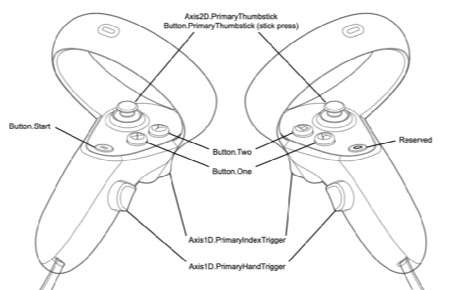
Interaction Design Theory for Standalone VR Headsets
VR interaction guide for standalone headsets: choosing controllers, voice and eye tracking, and practical functional design patterns.



VR interaction guide for standalone headsets: choosing controllers, voice and eye tracking, and practical functional design patterns.
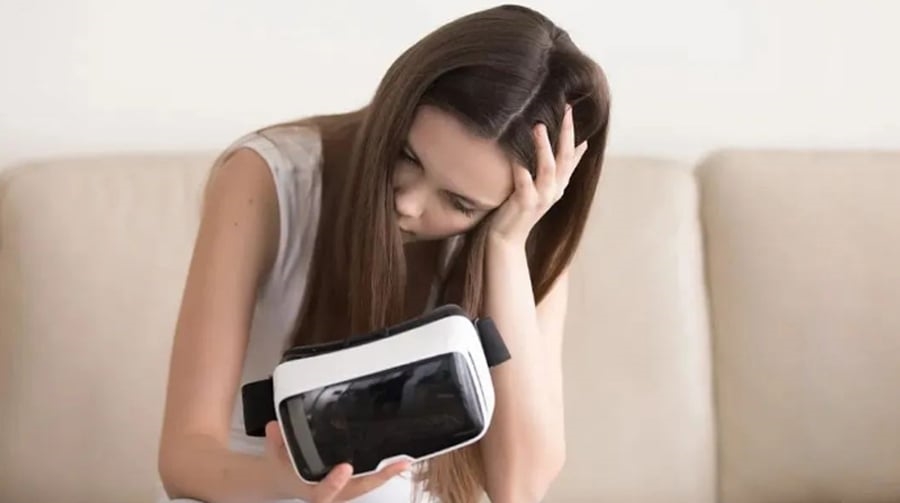
Technical overview of VR refresh rate and frame rate, how they affect latency and motion sickness, and why synchronized 90–120 Hz is important for smooth VR.
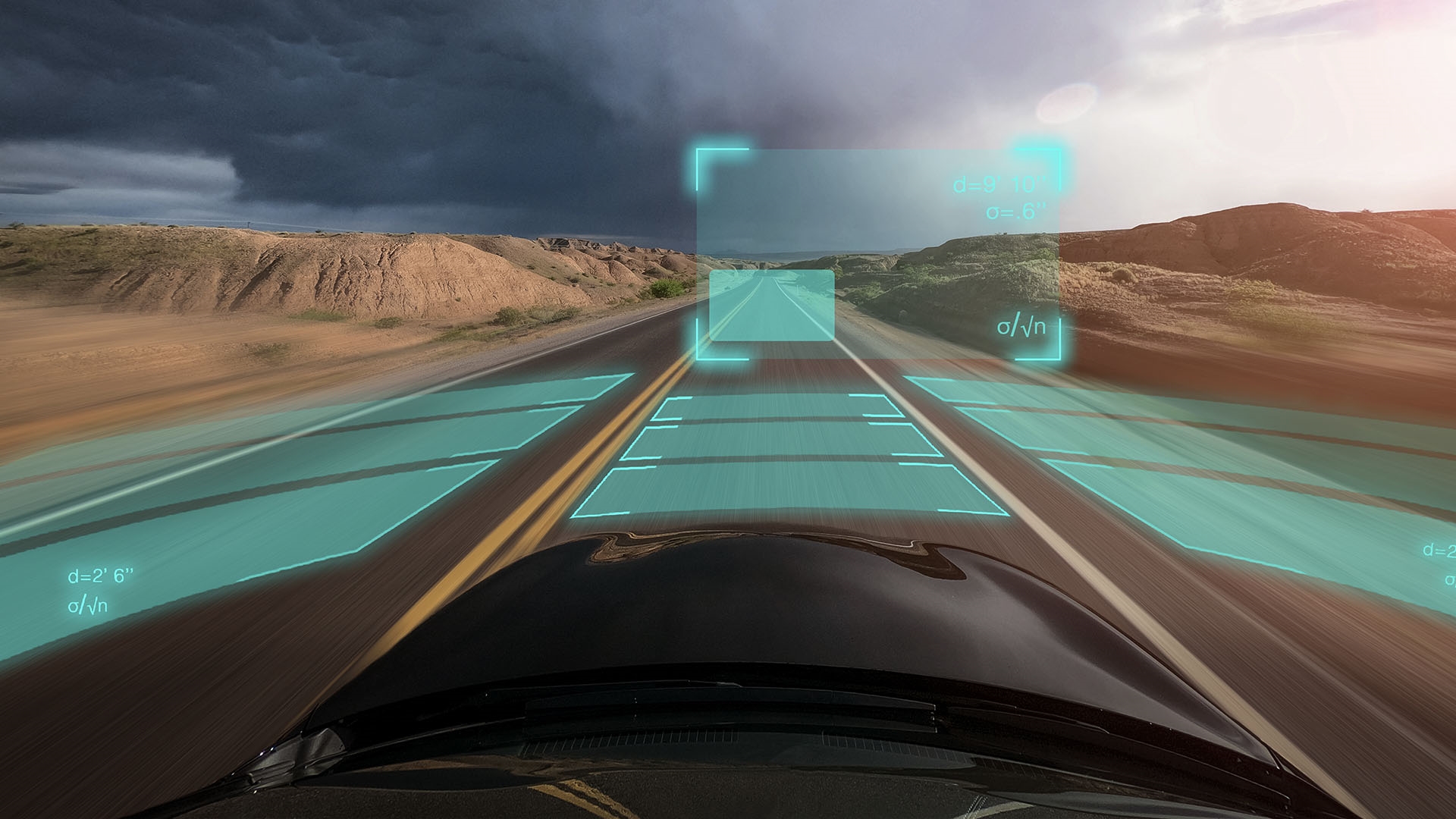
Technical overview of automotive HUD integration, covering augmented reality effects, field of view, virtual image distance, DLP image quality, and development considerations.
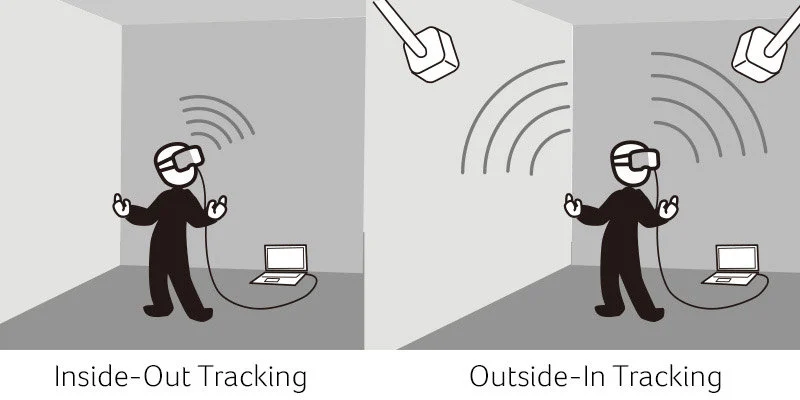
Compare inside-out and outside-in tracking for mobile VR: technical trade-offs in accuracy, latency, occlusion, and 6DoF implications for untethered headsets.
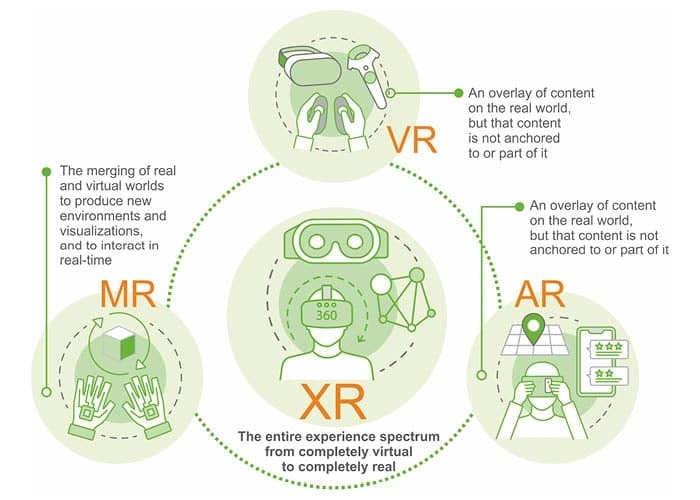
Technical overview of virtual reality interaction technologies—motion capture, haptic feedback, eye tracking, and electromyostimulation—covering sensors, algorithms, and challenges.
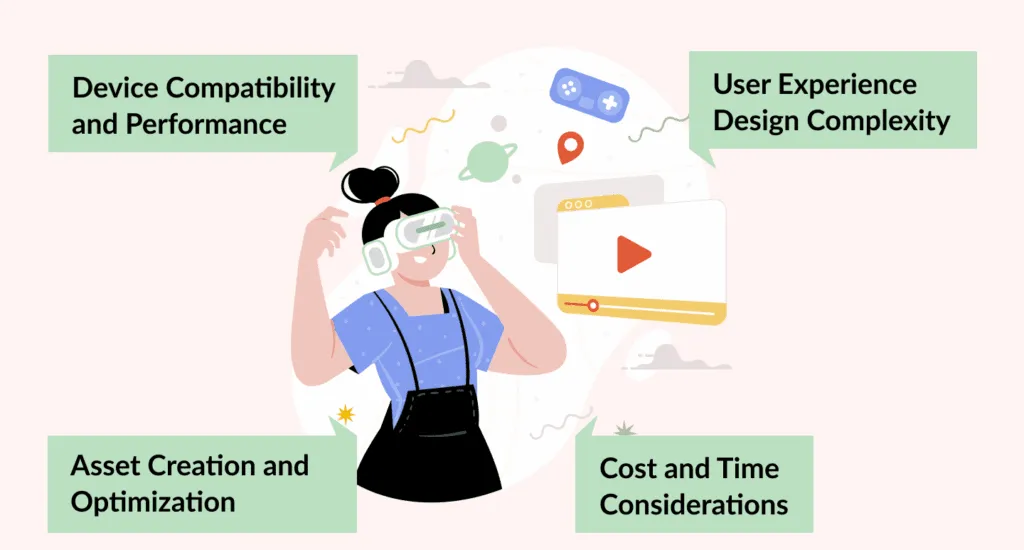
Overview of augmented reality system design using Zynq SoCs and UltraScale+ MPSoCs: sensor fusion, real-time image processing, power management and device security.
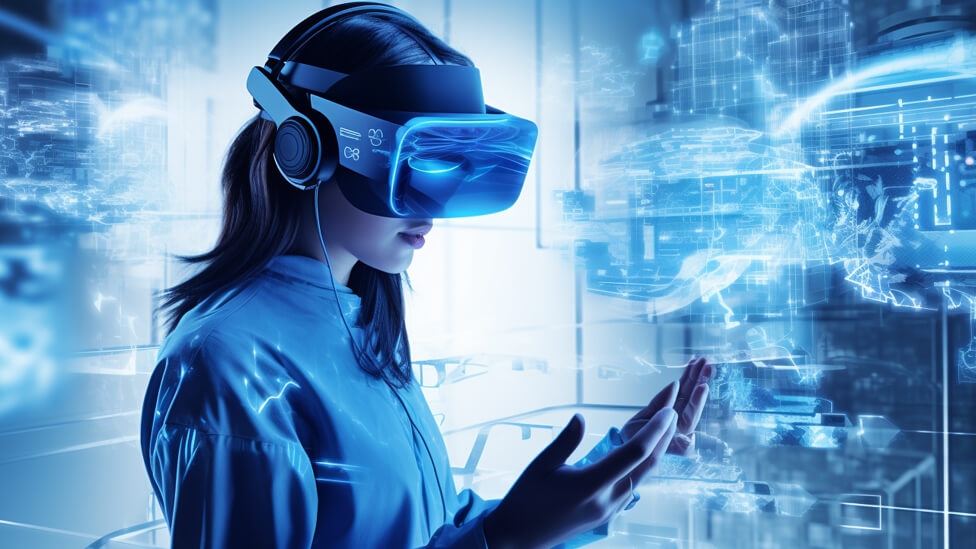
Technical overview of virtual reality core traits - immersion, interaction, imagination - and how VR headsets enable immersion via optics, head tracking, and stereoscopic rendering.
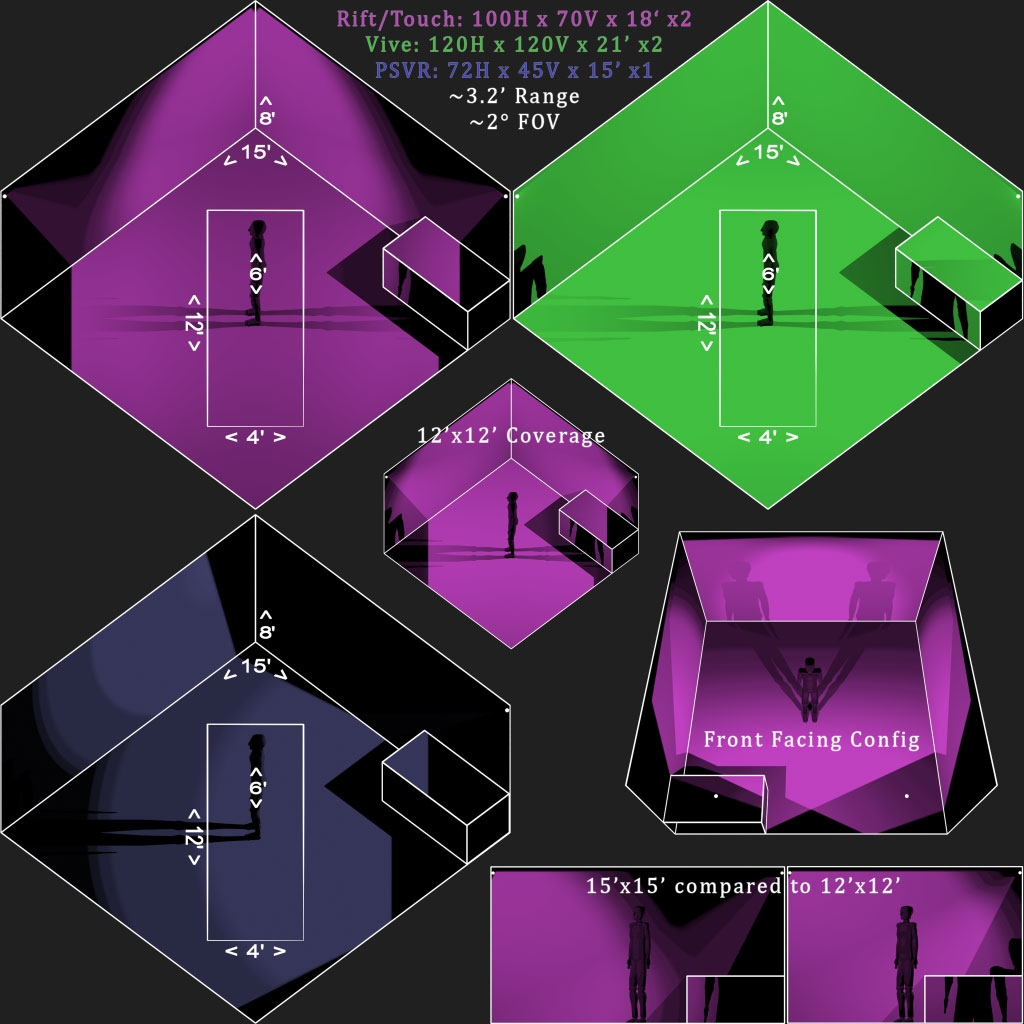
Analysis of VR spatial tracking: camera-based Oculus Constellation versus lighthouse laser sweep. Covers PnP pose estimation, IMU fusion, accuracy and range trade-offs.
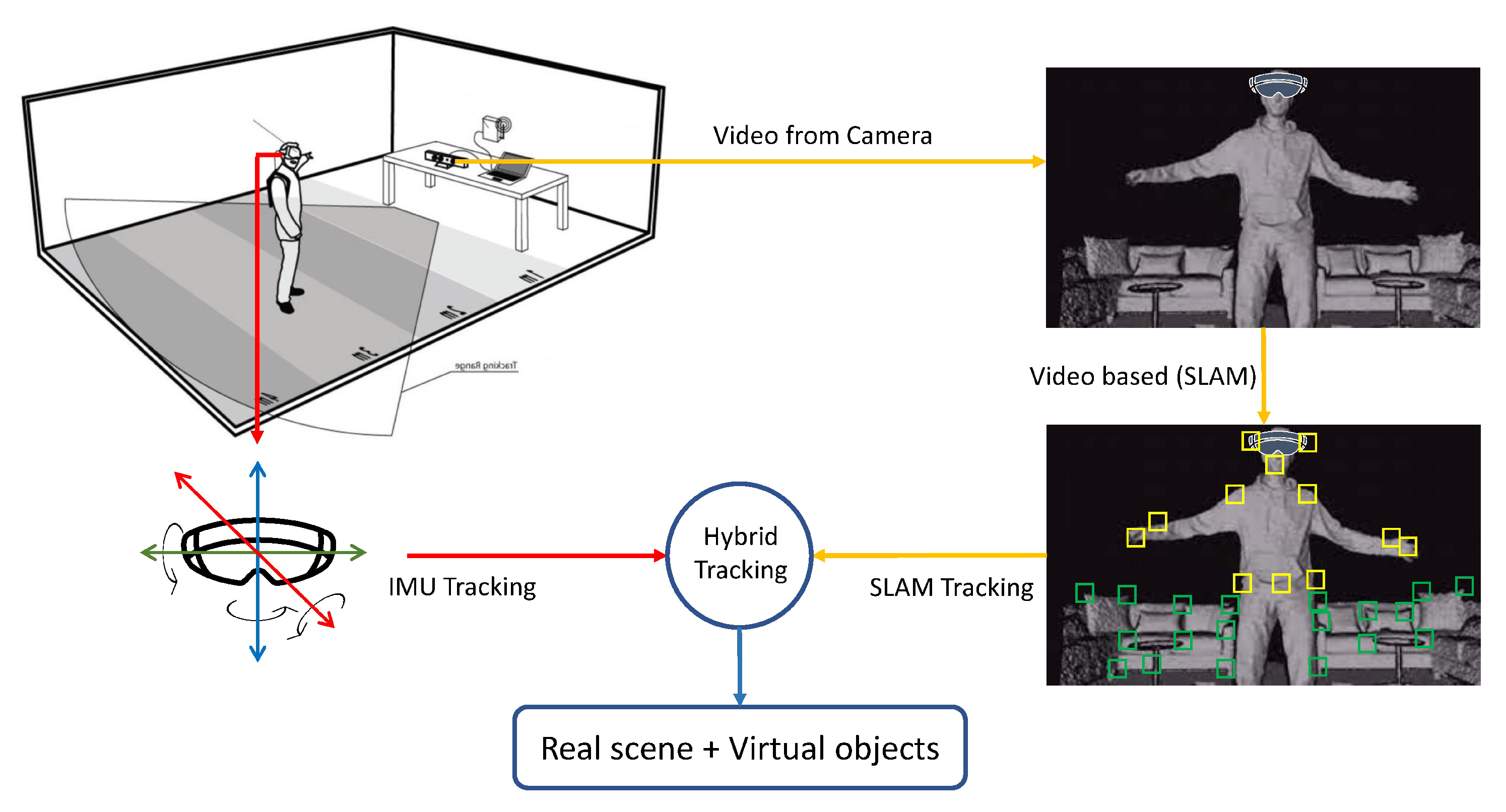
Survey of AR/VR spatial tracking methods and device classes, comparing inside-out SLAM, outside-in tracking, and marker-based approaches for headsets and controllers.
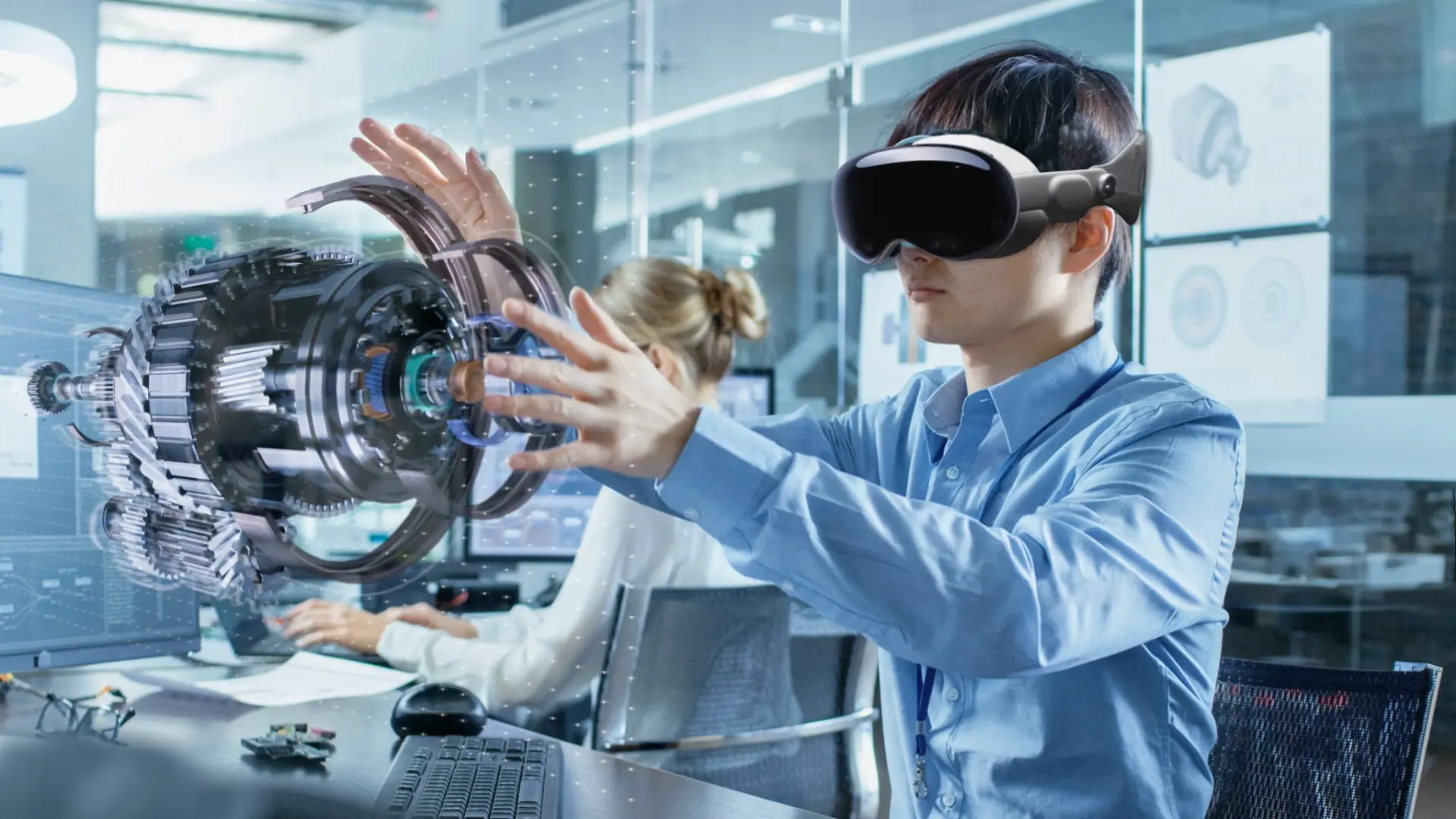
Technical overview of VR motion-sensing interaction: laser, infrared, visible light, computer vision, and inertial methods with VR tracking and motion capture trade-offs.
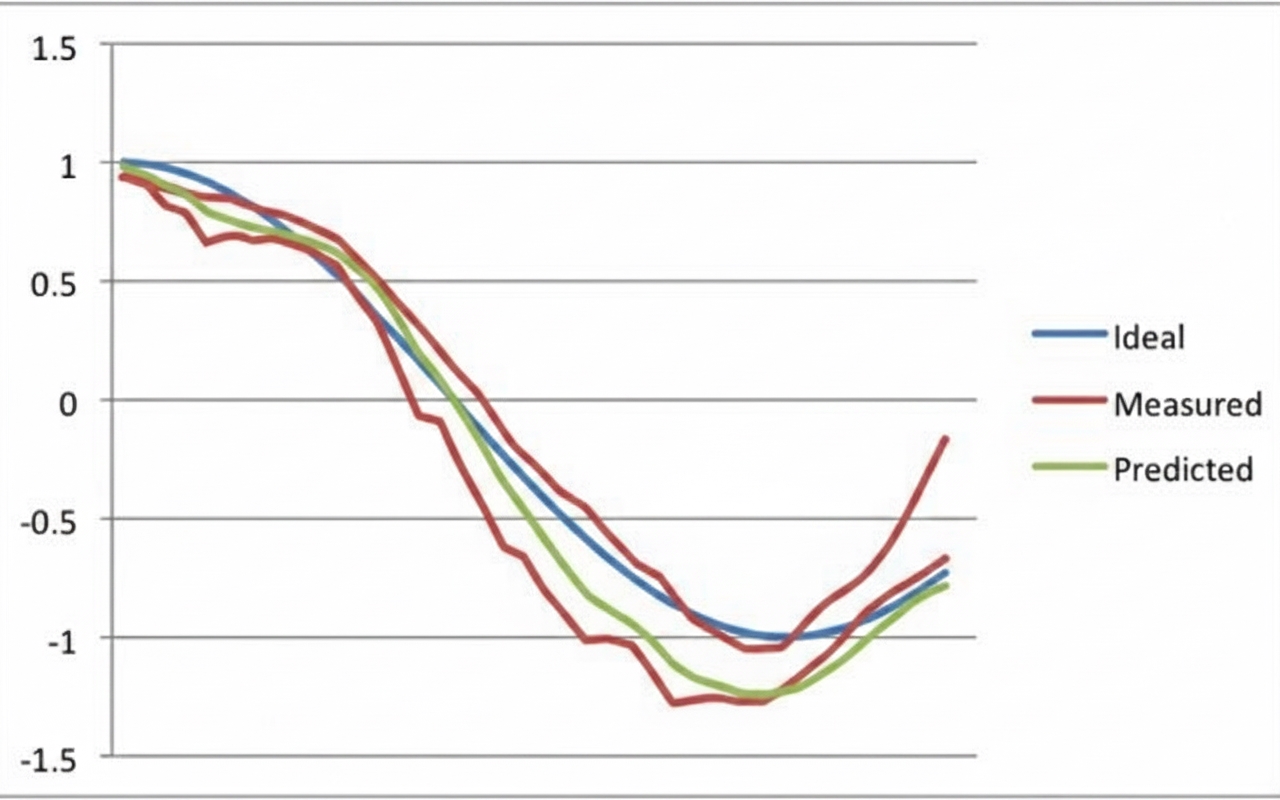
Explains predictive tracking in VR and AR, how motion-to-photon latency is reduced, prediction techniques using velocity, acceleration, and head/eye tracking for accuracy.
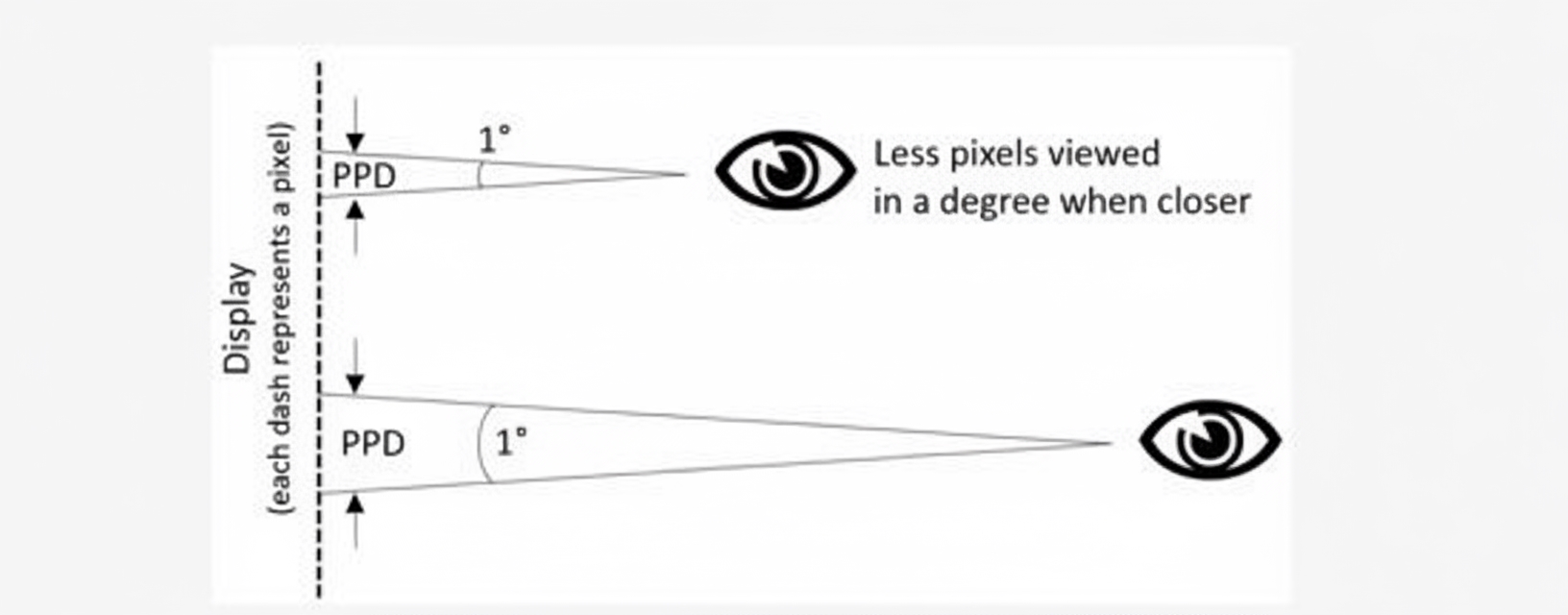
Technical overview of VR concepts, experience factors (sharpness, motion sickness, tracking) and network needs; discusses PPD, motion-to-photon latency and recommended bandwidth.
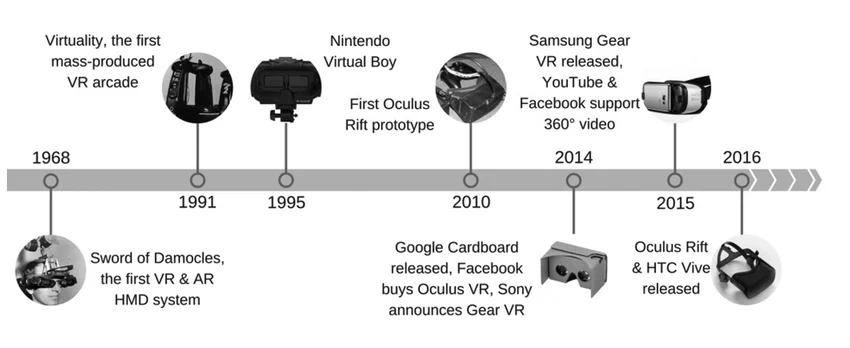
Overview of augmented reality and virtual reality technologies, their consumer and industrial applications, Industry 4.0 impact, market trends and technical challenges.
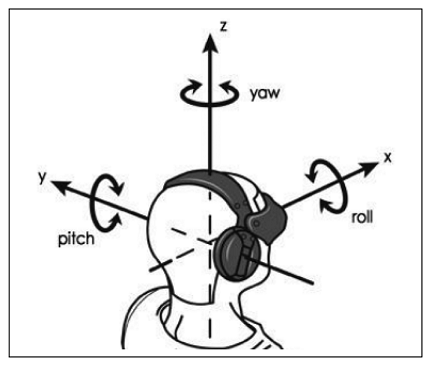
Overview of gyroscope in VR headsets: how 9-axis sensors (accelerometer, gyroscope, magnetometer) enable low-latency orientation, drift correction and 6-DoF pose.
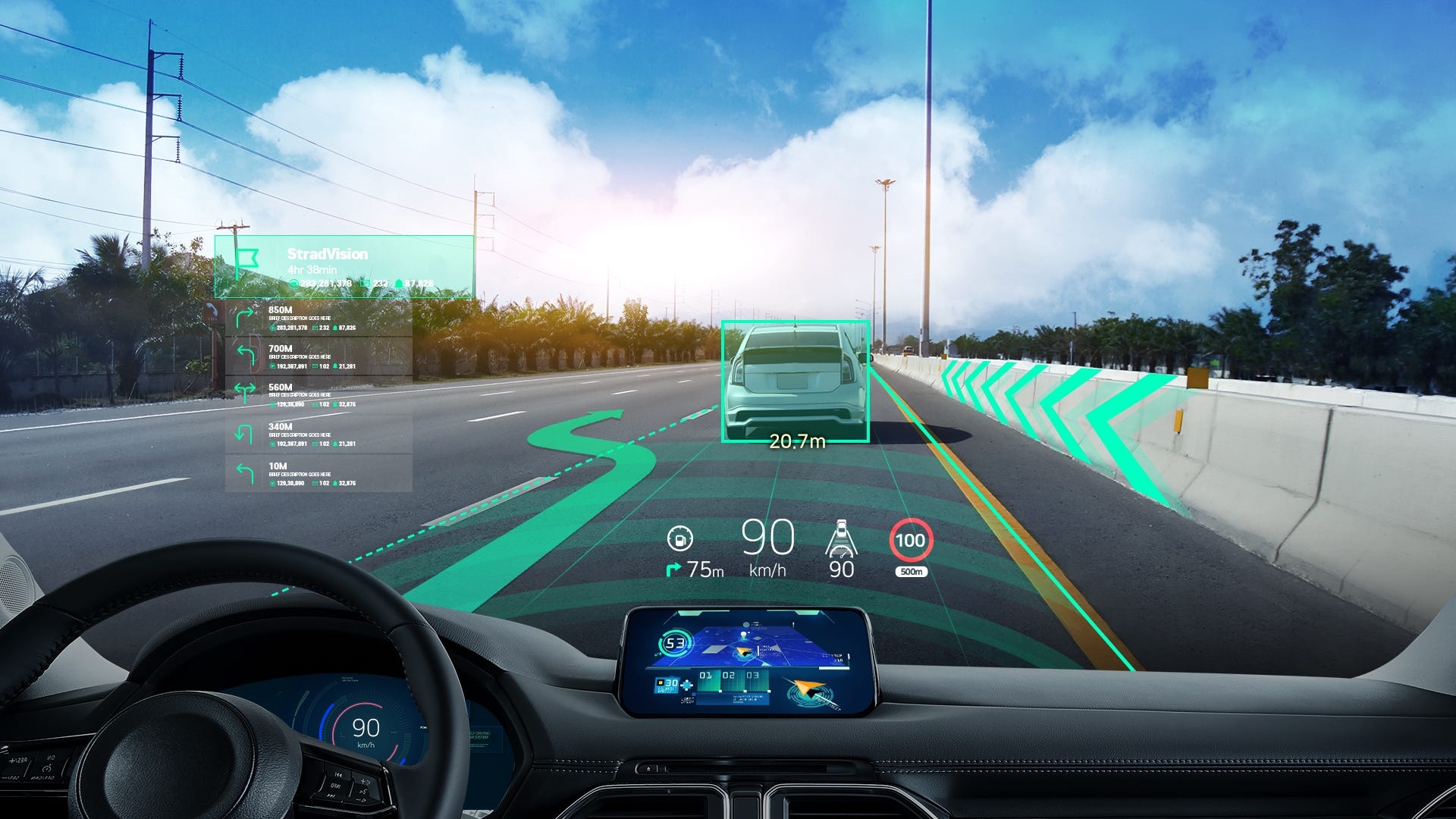
Guidance on AR HUD sunlight load simulation, covering sun irradiance models, off-axis peak effects, thermal impact on TFT vs DLP panels, and design implications.
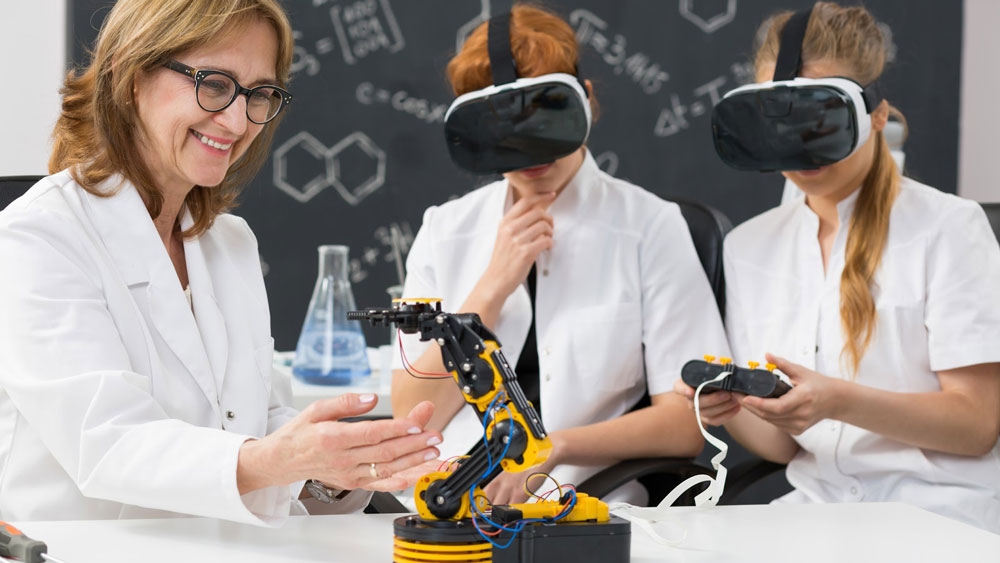
Virtual reality in education: virtual field trips, practical skills simulations, remote VR classes and game-based learning to boost engagement and skill acquisition.

Overview of virtual imaging and holographic projection: principles, system architectures, volumetric 3D display types, and recent industry developments.
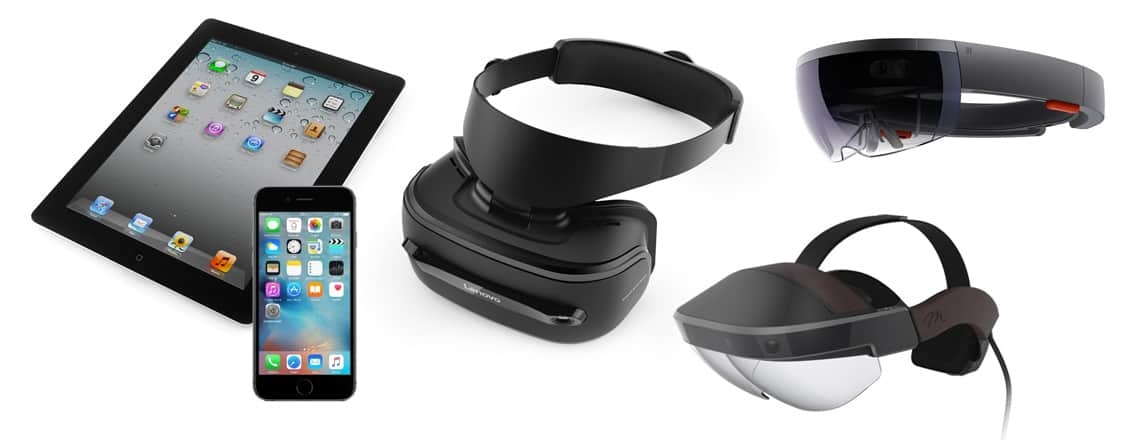
Technical overview of augmented reality hardware trackers, comparing electromechanical, electromagnetic, ultrasonic, optical, and inertial tracking methods and trade-offs.
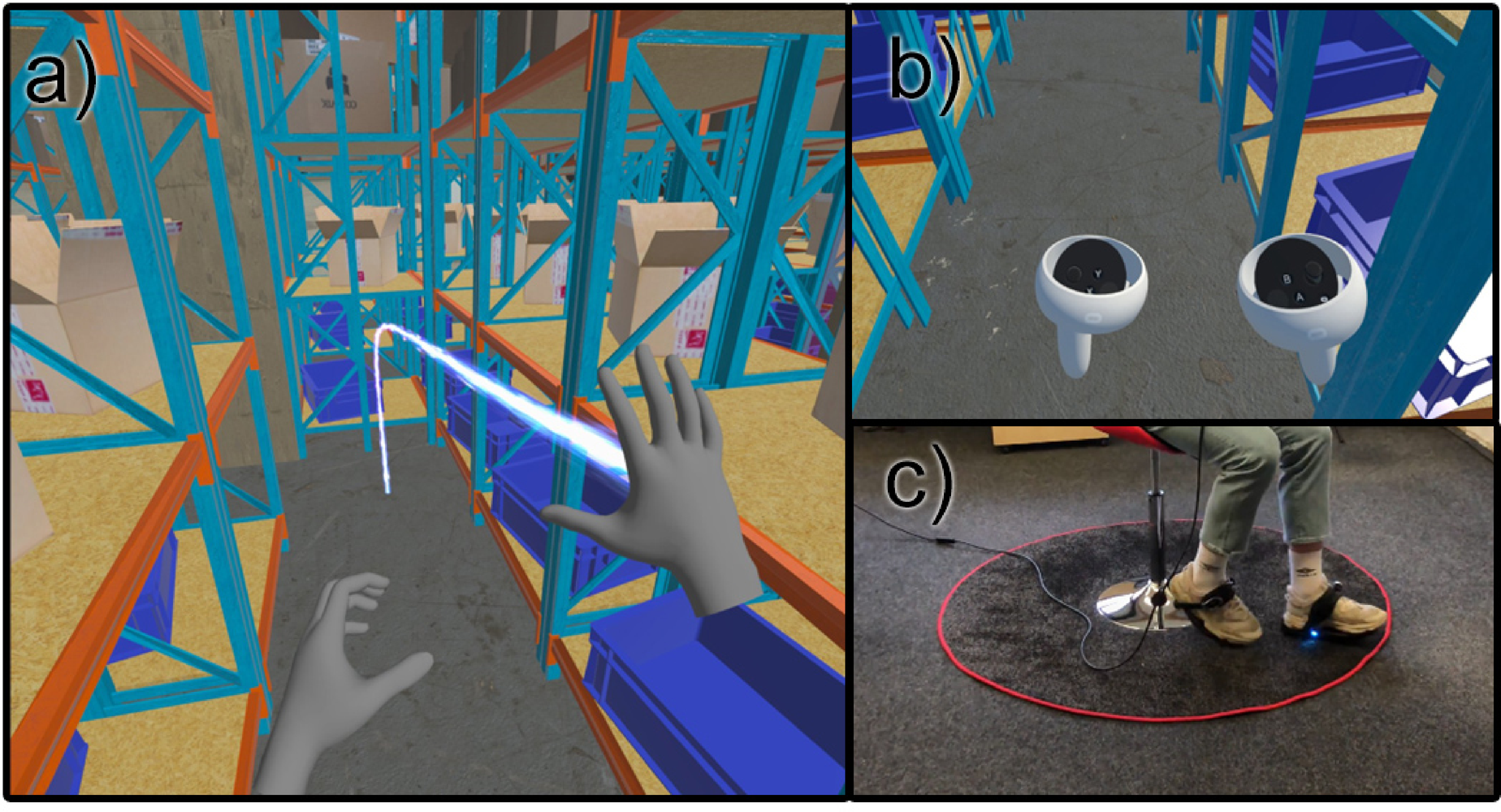
Survey of VR motion-capture and spatial localization methods, including laser, infrared, visible-light, computer vision, and inertial sensors comparing accuracy, range, and latency.
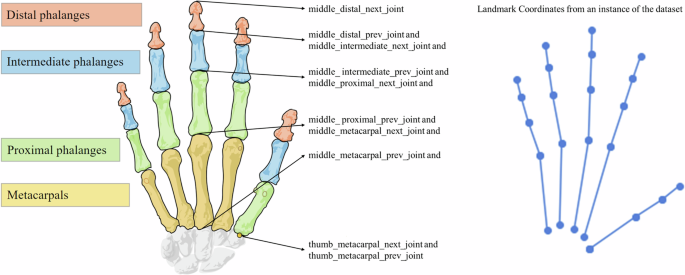
Leap Motion hand tracking API overview: sensor geometry and coordinate system, frame/trackable object model, motion transforms, and per-hand/pointable data.